

Anki
Recensione di Anki per imparare l'italiano
29 mar 2026 · 18 features · 7 languages · Web, iOS, Android
- Anki ottiene 8.2/10; area più forte: Prezzi, area più debole: Esperienza utente.
- Ideale per: Studenti che vogliono memorizzare il vocabolario italiano in modo efficiente
- Vantaggio principale: Sistema di ripetizione spaziata altamente efficace; limite principale: Curva di apprendimento ripida.
Punteggio
Qualità del corso
70/100Esperienza utente
65/100Prezzi
85/100
- Molto efficace per la memorizzazione Difficile da imparare all'inizio Altamente personalizzabile L'interfaccia sembra obsoleta Richiede disciplina e coerenza
Pro
- Sistema di ripetizione spaziata altamente efficace
- Flashcard completamente personalizzabili
- Ampia libreria di mazzi condivisi
- Funziona offline
- Gratuito sulla maggior parte delle piattaforme
Contro
- Curva di apprendimento ripida
- Design dell'interfaccia obsoleto
- Nessuna lezione strutturata
- Richiede la configurazione manuale
- L'app iOS è a pagamento
A colpo d'occhio
- Creato da
- Anki
- Concetto
- App Flashcard che utilizza la ripetizione distanziata per memorizzare il vocabolario in modo efficiente
- Piattaforme
- Web, iOS, Android
- Livelli
- (A1) Principiante, (A2) Elementare, (B1) Intermedio, (B2) Intermedio superiore, (C1) Avanzato
- Lingue insegnate
- Italiano, Inglese, Spagnolo, Francese, Tedesco, Giapponese, Cinese
- Più adatto per
- Studenti che vogliono memorizzare il vocabolario italiano in modo efficiente
Prezzi
- A vita
- 25.00$
Prova gratuita: Non disponibile
Rimborsi: Non disponibile
Verifiche delle funzionalità
Corsi generati dagli utenti
Accesso offline
Note grammaticali
Percorso di apprendimento
Riconoscimento vocale
Ripetizione dilazionata
Punteggio: 100/100. L'app offre molte ripetizioni per acquisire vocaboli e grammatica in modo naturale
Personalizzazione
Punteggio: 100/100. Gli utenti possono personalizzare impostazioni, interfaccia, contenuti, ecc.
Focus sull'apprendimento
Punteggio: 90/100. L'interfaccia e i contenuti sono incentrati sul contenuto del corso anziché su fuffa e ludicizzazione
Personalizzazione
Punteggio: 60/100. I materiali sono automaticamente adattati al profilo dell'utente
Accuratezza delle frasi
Punteggio: 75/100. Le frasi sono esenti da errori di battitura o grammaticali. Suonano naturali
Rilevanza delle frasi
Punteggio: 80/100. Sono frasi realistiche e utili
Varietà e profondità
Punteggio: 85/100. Esiste una varietà sufficiente di materiali in termini di argomenti, formati e livelli
Qualità audio
Punteggio: 80/100. I materiali audio sono facili da ascoltare in termini di qualità di registrazione e velocità del parlato
Qualità dei parlanti
Punteggio: 85/100. Gli oratori parlano correttamente, chiaramente e naturalmente
Pratica orale
Punteggio: 30/100. L'app offre molta pratica di conversazione
Facilità d'uso
Punteggio: 50/100. L'app è facile da configurare, utilizzare e navigare?
Interfaccia e design
Punteggio: 55/100. L'interfaccia utente è ordinata e visivamente accattivante
Prestazioni
Punteggio: 85/100. L'app si carica velocemente? È esente da problemi tecnici e arresti anomali
Conclusione
Crea le tue flashcard italiane da contenuti reali e rivedile ogni giorno per ottenere i migliori risultati.
Alternative
SpeakTwice è l'unica app che ti fa parlare sempre italiano. Viene fornito con centinaia di lezioni di grammatica e letture da ascoltare e ripetere, oltre a un tutor AI per rivedere i corsi ed esercitarsi nella conversazione. Vedi la recensione completa.
Domande frequenti
Anki è utile per imparare l'italiano?
Anki è libero
I principianti possono usare Anki
Anki insegna la grammatica
Ho bisogno di Internet per usare Anki
Confronta Anki con altre app per imparare l'italiano
Guarda i confronti pubblicati che includono Anki per chi studia italiano oppure sfoglia tutto l'hub dei confronti.
Procedura dettagliata
Introduzione
Ciao a tutti! Nel video di oggi esaminerò uno degli strumenti più popolari utilizzati dagli studenti di lingue in tutto il mondo: Anki. Se stai studiando italiano, probabilmente hai sentito la gente dire: "Devi usare Anki!" Quindi, alla fine, l'ho provato come si deve, e in questo video condividerò cosa fa realmente, come funziona e cosa mi è piaciuto (e cosa non mi è piaciuto) dell'usarlo per l'italiano.
Cos'è Anki
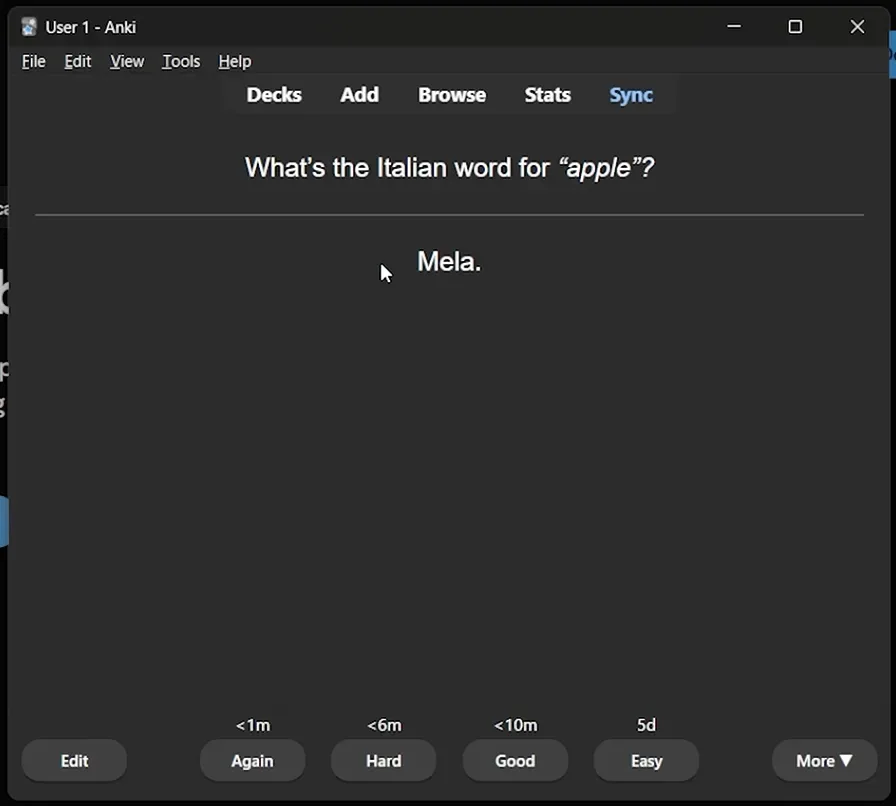
Quindi, cos'è esattamente Anki In termini semplici, è un'app flashcard che ti aiuta a ricordare il vocabolario usando qualcosa chiamato ripetizione spaziata. Fondamentalmente, Anki ti mostra una flashcard - ad esempio "la mela" - e tu provi a ricordarne il significato. Se lo ricordi facilmente, Anki aspetterà più a lungo prima di mostrartelo di nuovo. Ma se lotti, lo riporterà indietro prima. L'idea è di rivedere le parole appena prima di dimenticarle, in modo che rimangano impresse nella memoria a lungo termine. Anki è disponibile per computer e dispositivi mobili: è gratuito su desktop e Android, ma se utilizzi iPhone, l'app costa circa $ 25.
Come funziona
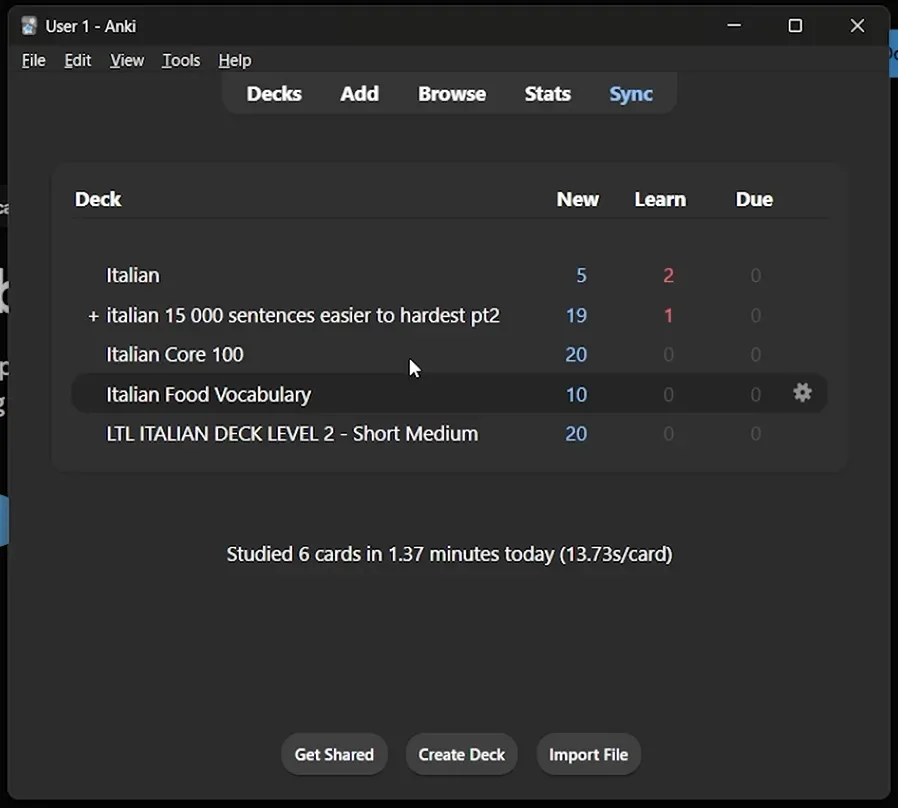
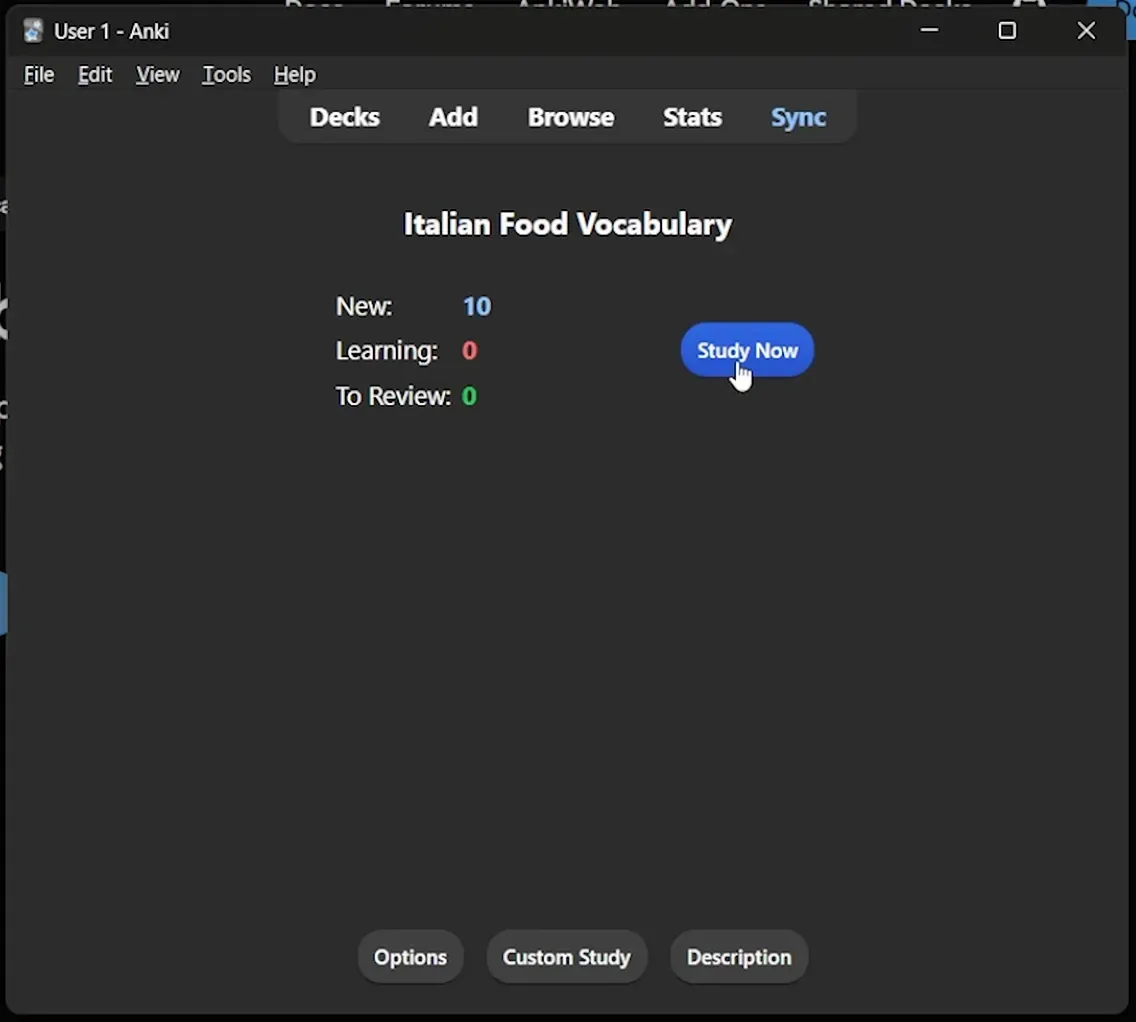
Quando apri Anki, vedrai i "mazzi", che sono fondamentalmente gruppi di flashcard. Puoi creare il tuo mazzo, ad esempio "Vocabolario del cibo italiano", e aggiungere carte come pane → pane, formaggio → formaggio e prosciutto → prosciutto. Oppure puoi scaricare mazzi condivisi realizzati da altri studenti. Ogni carta ha un fronte e un retro – il fronte è la domanda e il retro è la risposta – e può riguardare qualsiasi cosa: una parola italiana, una traduzione, una frase di esempio o anche un clip audio. Quando studi, giri la carta e dici ad Anki quanto bene la ricordi premendo Ancora, Difficile, Buono o Facile. Dietro le quinte, l'algoritmo di Anki utilizza quel feedback per programmare quando vedrai di nuovo la parola, magari tra pochi minuti, un giorno o una settimana.
La mia esperienza
All’inizio devo ammetterlo, mi ci è voluto un po’ di tempo per abituarmi. L'interfaccia sembra piuttosto vecchia scuola e ci sono molte impostazioni che possono creare confusione se sei nuovo. Ma una volta sistemati i miei deck, è diventato un modo davvero efficace per memorizzare le parole italiane che incontro ogni giorno. Mi piace particolarmente il fatto di poter aggiungere audio e immagini a ciascuna scheda. È un piccolo dettaglio, ma combinare parole, suoni e immagini rende tutto molto più facile da ricordare. Mi piace anche la velocità delle sessioni di revisione. Posso rivedere 50 o 60 carte in meno di 15 minuti: è perfetto per brevi pause o spostamenti.
Pro e contro
Il lato positivo è che Anki ha molto da offrire. È incredibilmente potente, completamente personalizzabile e fornisce davvero risultati. Una volta che avrai preso il ritmo di utilizzo, sarà uno dei modi più efficaci per costruire e conservare il tuo vocabolario italiano. Mi piace anche il fatto che sia gratuito e che esista un'enorme community che crea componenti aggiuntivi e mazzi condivisi, quindi non rimarrai mai a corto di contenuti o idee per migliorare la tua configurazione. Ma d’altro canto, Anki all’inizio può essere un po’ intimidatorio. L'interfaccia sembra obsoleta, la configurazione richiede tempo e capire tutte le impostazioni può sembrare come imparare da solo un mini corso di software. Inoltre, in realtà non ti insegna l'italiano: è più un sistema di memorizzazione che una piattaforma di apprendimento completa. E se utilizzi un iPhone, dovrai pagare per l'app mobile, il che non è l'ideale quando hai appena iniziato.
Considerazioni finali
Quindi, ne vale la pena Anki Se stai già imparando l'italiano e vuoi espandere il tuo vocabolario più velocemente, assolutamente: è uno strumento fantastico una volta che sai come usarlo. Ma se sei un principiante assoluto e cerchi più struttura o pratica di conversazione, all'inizio potrebbe sembrare troppo tecnico.