
Falou
Falou İtalyanca Öğrenme İncelemesi
4 Nis 2026 · 18 features · 23 languages · iOS, Android
- Falou 8.4/10 alıyor; en güçlü alan: Kurs kalitesi, en zayıf alan: Fiyatlandırma.
- En uygun olduğu kişiler: Yapılandırılmış konuşma pratiği ve telaffuz gelişimi isteyen yeni başlayanlar.
- Başlıca avantaj: Konuşma pratiğine güçlü odaklanma; başlıca sınırlama: Sınırlı gramer açıklamaları.
Puan
Kurs kalitesi
83/100Kullanıcı deneyimi
80/100Fiyatlandırma
75/100
- Kullanımı kolay arayüz Konuşma pratiği için iyi Ücretsiz sürümde çok fazla reklam var Ses tanıma sorunları Dersler tekrarlanıyor gibi geliyor
Artıları
- Konuşma pratiğine güçlü odaklanma
- Gerçek hayattaki konuşma senaryoları
- Anadili hoparlör sesi
- Kısa, yönetilebilir dersler
- Temiz ve basit arayüz
Eksileri
- Sınırlı gramer açıklamaları
- Minimal yazma pratiği
- Tekrarlanan ders yapısı
- Ses tanıma tutarsız olabilir
- Birçok özellik ödeme duvarının arkasında kilitli
Bir bakışta
- Hazırlayan
- Moymer
- Konsept
- Gerçek hayattaki konuşmaları ve ses tanımayı kullanan konuşma odaklı uygulama.
- Platformlar
- iOS, Android
- Seviyeler
- (A1) Başlangıç, (A2) Temel, (B1) Orta düzey
- Öğretilen diller
- İtalyan, İngilizce, İspanyol, Fransızca, Almanca, Portekizce, Japonca, Korece, Çince, Rusça, Türkçe, Flemenkçe, Lehçe, İsveççe, Danimarka, Norveççe, Hırvat, Yunan, Romen, Ukrayna, Malayca, Macarca, Endonezya dili
- Şunlar için en uygun:
- Yapılandırılmış konuşma pratiği ve telaffuz gelişimi isteyen yeni başlayanlar.
Fiyatlandırma
- Aylık
- 10.00US$
- Yıllık
- 90.00$
Ücretsiz deneme: Mevcut; Kredi kartı gerekli; 3 gün
Geri ödemeler: Müsait değil
Özellik kontrolleri
Öğrenme yolu
Konuşma tanıma
Çevrimdışı erişim
Dilbilgisi notları
Kullanıcı tarafından oluşturulan kurslar
Aralıklı tekrar
Puan: 70/100. Uygulama kelime ve grameri doğal bir şekilde öğrenmek için bol miktarda tekrar sunuyor mu?
Özelleştirme
Puan: 60/100. Kullanıcılar ayarları, arayüzü, içeriği vb. özelleştirebilir mi?
Öğrenmeye odaklanın
Puan: 80/100. Arayüz ve içerik, tüyler ürpertici ve oyunlaştırma yerine ders içeriğine mi odaklanıyor?
Kişiselleştirme
Puan: 65/100. Materyaller otomatik olarak kullanıcının profiline göre uyarlanıyor mu?
Cümle doğruluğu
Puan: 75/100. Cümlelerde yazım hatası ve dilbilgisi hatası yok mu Kulağa doğal geliyor mu
Cümle alaka düzeyi
Puan: 85/100. Cümleler gerçekçi ve faydalı mı?
Çeşitlilik ve derinlik
Puan: 70/100. Konu, format ve seviye açısından yeterli materyal çeşitliliği var mı?
Ses kalitesi
Puan: 85/100. Kayıt kalitesi ve konuşma hızı açısından ses materyallerinin dinlenmesi kolay mı?
Konuşmacının kalitesi
Puan: 70/100. Konuşmacılar doğru, net ve doğal bir şekilde konuşuyor mu?
Konuşma pratiği
Puan: 90/100. Uygulama bol miktarda konuşma pratiği sunuyor mu?
Kullanım kolaylığı
Puan: 90/100. Uygulamanın kurulumu, kullanımı ve gezinmesi kolay mı?
Arayüz ve tasarım
Puan: 85/100. Kullanıcı arayüzü düzgün ve görsel olarak çekici mi?
Performans
Puan: 80/100. Uygulama hızlı yükleniyor mu Sorunlar ve çökmeler yok mu
Sonuç
Konuşma pratiği için günlük olarak kullanın ve dil bilgisi, yazma ve daha derin öğrenmeye yönelik diğer araçlarla birleştirin.
Alternatifler
SpeakTwice her zaman İtalyanca konuşmanızı sağlayan tek uygulamadır. Yüzlerce gramer dersi ve dinleme ve tekrarlama okumalarının yanı sıra kursları gözden geçirmek ve konuşma pratiği yapmak için bir AI öğretmeniyle birlikte gelir. İncelemenin tamamına bakın.
SSS
Falou İtalyanca öğrenmek için iyi mi?
Falou gramer öğretiyor mu?
Falou'yi akıcı bir şekilde konuşabilir misiniz?
Falou konuşmayı gerektiriyor mu
Falou ile diğer İtalyanca öğrenme uygulamalarını karşılaştırın
Falou içeren ve İtalyanca öğrenenlere yönelik yayınlanmış yan yana karşılaştırmaları görün veya tüm karşılaştırma merkezine göz atın.
İzlenecek yol
Genel bakış videosunu izleyin.
Giriş
Bugün ağırlıklı olarak konuşma pratiğine odaklanan bir mobil dil öğrenme uygulaması olan Falou'yi inceliyorum.
İtalyanca pratik yapmak için araçlar arıyorsanız ve yanıtlara tıklamak yerine yüksek sesle bir şeyler söylüyorsanız, muhtemelen bu uygulamayla karşılaşmışsınızdır.
Falou'nin özellikle İtalyanca'yı nasıl kullandığını merak ediyordum, bu yüzden pratikte deneyimin nasıl bir his verdiğini ve gerçekten ne tür bir öğrenmeyi desteklediğini görmek için onu kullanarak biraz zaman harcadım.
Kurmak
Hızlı sonuçlar vaat eden birçok dil uygulamasını denedim, ancak çoğu tanıdık bir kalıp izliyor: kelime listeleri, kısa çeviriler ve çok fazla dokunma.
Falou ile kurulum zaten farklı bir yöne işaret ediyor.
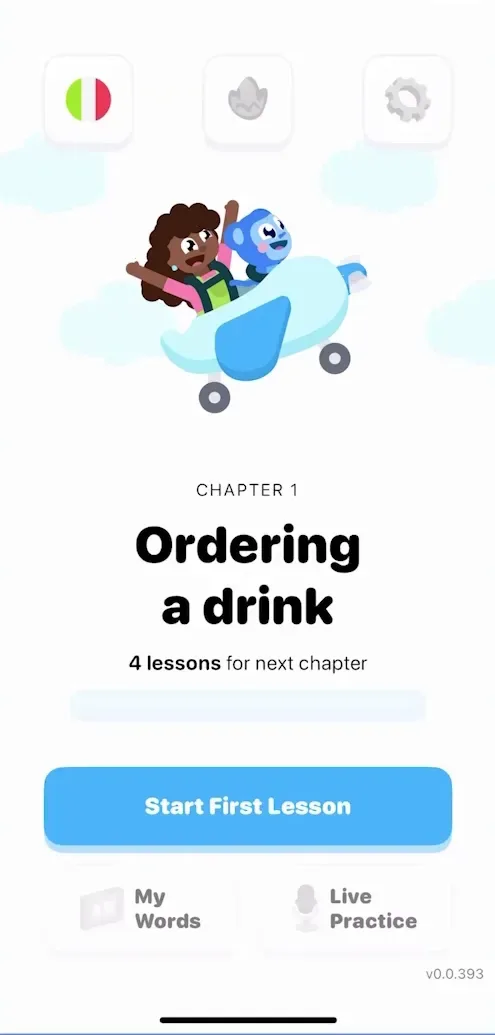
İtalyancayı seçer seçmez uygulama bu seçimi kilitledi ve beni doğrudan konuşmaya dayalı derslere yönlendirdi. İlk önce keşfedilecek uzun bir yerleştirme testi veya menü yok. Buradaki fikir hemen uygulamaya başlamaktır ve her şey kısa, senaryoya dayalı dersler etrafında inşa edilmiştir.
Falou, en başından itibaren odak noktasının dilbilgisi kuralları veya yazmaya değil, dinleme ve konuşmaya odaklandığını açıklıyor. Bu beklenti çok erken belirlendi ve bu da uygulamanın ne olduğunu ve ne olmadığını anlamama yardımcı oldu.
Genel Düşünceler
Falou'yi kullanırken fark ettiğim ilk şey neredeyse her derste yüksek sesle konuşmamı gerektiriyordu.
Anadili İtalyanca olan birini dinliyorum, sonra cümleyi tekrarlıyorum ve uygulama devam etmeme izin vermeden önce telaffuzumu kontrol ediyor.
Bu, deneyimin çok aktif olmasını sağlar. Cevapları tanımak yerine, temel düzeyde bile sürekli İtalyanca üretiyorum. Kendimi tanıştırma, yemek sipariş etme veya basit sorular sorma gibi günlük durumlarla ilgili yaygın ifadeleri tekrarlarken buldum.
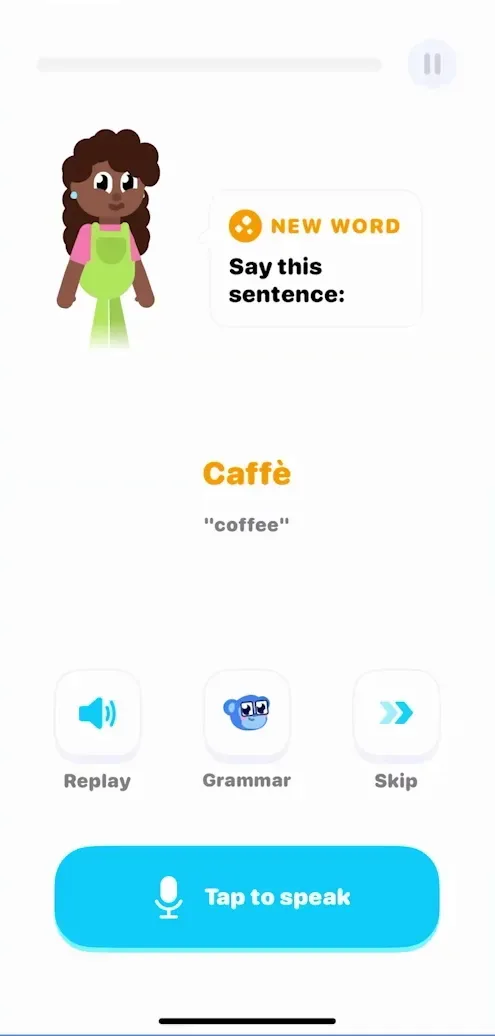
Ayrıca derslerin çok küçük parçalara bölündüğünü fark ettim. Bir diyalog ayrı ifadelere ve kelimelere bölünüyor, böylece adım adım telaffuza odaklanabiliyorum. Bu, özellikle pratik yapmak için yalnızca birkaç dakikam olduğunda, seansların idare edilebilir olmasını sağladı.
Tasarım açısından bakıldığında uygulama çok minimal düzeydedir. Dikkat çekmek için yarışan çok fazla sekme veya özellik yok. Çoğunlukla dersleri, zorlandığım kelimelerin depolandığı bir kelime dağarcığı bölümünü ve pratik yaptıklarımı takip eden bir ilerleme alanını görüyorum. Her şey basit ve gezinmesi kolay geliyor.

Bununla birlikte, deneyim çok yapılandırılmıştır. Konuşmalar senaryoya dayalı ve içerikte sabit bir yol izliyorum. Kendi cümlelerimi özgürce yaratmıyorum; önceden tanımlanmış olanların pratiğini yapıyorum. Telaffuz ve güven açısından bu işe yarar ancak uygulamanın ne kadar yaratıcı olabileceğini sınırlar.
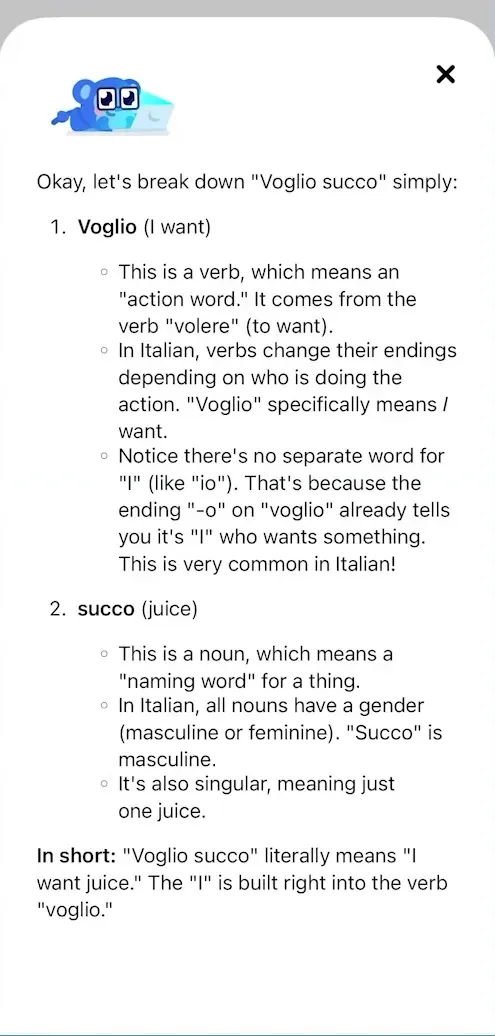
Dikkatimi çeken bir diğer şey de Falou'nin İtalyanca dilbilgisini açıklamaya fazla zaman harcamamasıydı. Kuralları anlamak yerine tekrarlayarak ve maruz kalarak öğreniyorum. Bazı öğrenciler için bu idealdir. Bazıları için bir şeyler eksikmiş gibi hissedilebilir.
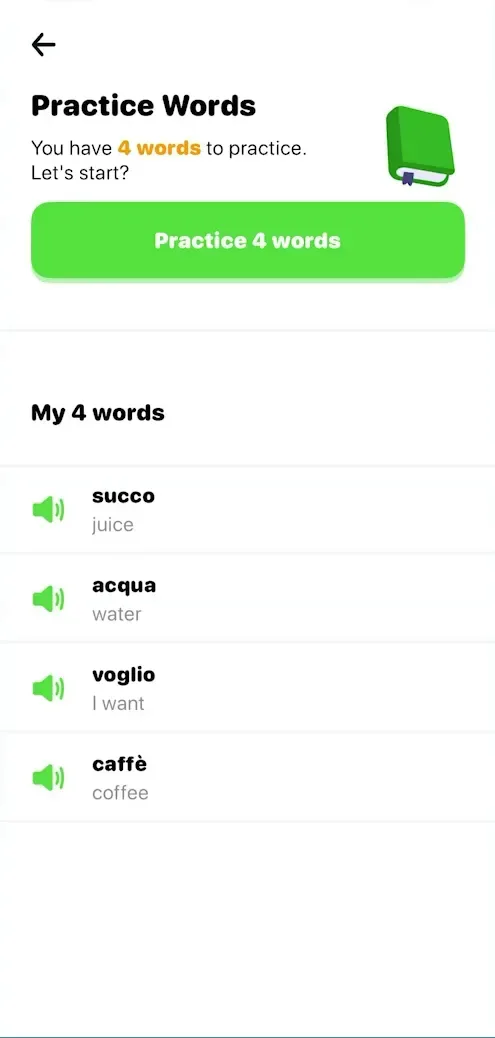
Fiyatlandırmaya gelince, Falou ücretsiz bir model üzerinde çalışıyor. Ücretsiz sürüm oldukça sınırlıdır ve içeriğin çoğu bir aboneliğin arkasındadır. Buna değip değmeyeceği gerçekten rehberli konuşma pratiğine ne kadar değer verdiğinize ve uygulamayı ne sıklıkla kullanmayı planladığınıza bağlıdır.
Çıkış
Genel olarak Falou, İtalyanca pratik yapmak için çok net bir yaklaşım sunuyor: kısa dersler, gerçek hayattan durumlar ve ilk günden itibaren sürekli konuşma.
Dilin her yönünü kapsayan eksiksiz bir sistem değildir ancak çok odaklanmış bir şekilde yapılandırılmış telaffuz ve konuşma pratiği sağlar.