

FunEasyLearn
FunEasyLearn İtalyanca Öğrenme İncelemesi
11 Nis 2026 · 18 features · 34 languages · iOS, Android, Web
- FunEasyLearn 7.2/10 alıyor; en güçlü alan: Kullanıcı deneyimi, en zayıf alan: Kurs kalitesi.
- En uygun olduğu kişiler: Kısa günlük oturumlarla yeni başlayanlar İtalyanca kelime hazinesi geliştiriyor.
- Başlıca avantaj: Geniş kelime hazinesi ve ifade kütüphanesi; başlıca sınırlama: Sınırlı gramer açıklamaları.
Puan
Kurs kalitesi
68/100Kullanıcı deneyimi
85/100Fiyatlandırma
80/100
- Kullanımı kolay ve eğlenceli Kelime öğrenimi için harika İyi telaffuz desteği İleri düzey öğrenciler için çok basit Çok fazla kilitli özellik
Artıları
- Geniş kelime hazinesi ve ifade kütüphanesi
- Yavaş oynatmayla yerel ses
- Oyunlaştırılmış ve ilgi çekici egzersizler
- Konuşma tanıma dahil
- Çevrimdışı mod mevcut
Eksileri
- Sınırlı gramer açıklamaları
- Küçük gerçek konuşma pratiği
- Tekrarlayan egzersizler
- Geri bildirim temeldir (doğru/yanlış)
- Ücretsiz sürüm çok kısıtlı
Bir bakışta
- Hazırlayan
- FunEasyLearn
- Konsept
- Alıştırmalar aracılığıyla İtalyanca kelimeleri ve cümleleri öğrenmek için oyunlaştırılmış uygulama.
- Platformlar
- iOS, Android, Web
- Seviyeler
- (A1) Başlangıç, (A2) Temel, (B1) Orta düzey
- Öğretilen diller
- İtalyan, İngilizce, İspanyol, Fransızca, Almanca, Portekizce, Çince, Korece, Japonca, Hintçe, Arapça, Rusça, Türkçe, Lehçe, Flemenkçe, İsveççe, Romen, Yunan, Tay dili, Vietnam, Endonezya dili, Çek, Macarca, Ukrayna, Bulgarca, Hırvat, Slovak, Fince, Danimarka, Norveççe, İbranice, Farsça, Filipinli, Malayca
- Şunlar için en uygun:
- Kısa günlük oturumlarla yeni başlayanlar İtalyanca kelime hazinesi geliştiriyor.
Fiyatlandırma
- Aylık
- 5.99US$
- Yıllık
- 29.99$
- Ömür boyu
- 74.99$
Ücretsiz deneme: Mevcut; Kredi kartı gerekli; 7 gün
Geri ödemeler: Mevcut; 14 gün
Özellik kontrolleri
Öğrenme yolu
Konuşma tanıma
Çevrimdışı erişim
Dilbilgisi notları
Kullanıcı tarafından oluşturulan kurslar
Aralıklı tekrar
Puan: 70/100. Uygulama kelime ve grameri doğal bir şekilde öğrenmek için bol miktarda tekrar sunuyor mu?
Özelleştirme
Puan: 75/100. Kullanıcılar ayarları, arayüzü, içeriği vb. özelleştirebilir mi?
Öğrenmeye odaklanın
Puan: 65/100. Arayüz ve içerik, tüyler ürpertici ve oyunlaştırma yerine ders içeriğine mi odaklanıyor?
Kişiselleştirme
Puan: 70/100. Materyaller otomatik olarak kullanıcının profiline göre uyarlanıyor mu?
Cümle doğruluğu
Puan: 80/100. Cümlelerde yazım hatası ve dilbilgisi hatası yok mu Kulağa doğal geliyor mu
Cümle alaka düzeyi
Puan: 75/100. Cümleler gerçekçi ve faydalı mı?
Çeşitlilik ve derinlik
Puan: 70/100. Konu, format ve seviye açısından yeterli materyal çeşitliliği var mı?
Ses kalitesi
Puan: 85/100. Kayıt kalitesi ve konuşma hızı açısından ses materyallerinin dinlenmesi kolay mı?
Konuşmacının kalitesi
Puan: 70/100. Konuşmacılar doğru, net ve doğal bir şekilde konuşuyor mu?
Konuşma pratiği
Puan: 60/100. Uygulama bol miktarda konuşma pratiği sunuyor mu?
Kullanım kolaylığı
Puan: 90/100. Uygulamanın kurulumu, kullanımı ve gezinmesi kolay mı?
Arayüz ve tasarım
Puan: 85/100. Kullanıcı arayüzü düzgün ve görsel olarak çekici mi?
Performans
Puan: 90/100. Uygulama hızlı yükleniyor mu Sorunlar ve çökmeler yok mu
Sonuç
Kelime bilgisi pratiği için günlük olarak kullanın ve bunu konuşma ve dilbilgisine odaklanan bir platformla birleştirin.
Alternatifler
SpeakTwice her zaman İtalyanca konuşmanızı sağlayan tek uygulamadır. Yüzlerce gramer dersi ve dinleme ve tekrarlama okumalarının yanı sıra kursları gözden geçirmek ve konuşma pratiği yapmak için bir AI öğretmeniyle birlikte gelir. İncelemenin tamamına bakın.
SSS
FunEasyLearn İtalyan yeni başlayanlar için iyi mi
FunEasyLearn gramer öğretiyor mu?
İtalyanca konuşma pratiği yapabilir miyim?
Çevrimdışı çalışıyor mu
FunEasyLearn ücretsiz mi
FunEasyLearn ile diğer İtalyanca öğrenme uygulamalarını karşılaştırın
FunEasyLearn içeren ve İtalyanca öğrenenlere yönelik yayınlanmış yan yana karşılaştırmaları görün veya tüm karşılaştırma merkezine göz atın.
İzlenecek yol
Genel bakış videosunu izleyin.
Giriş
Bugün İtalyanca öğrenmeyi eğlenceli, etkileşimli ve her seviyede erişilebilir kılmayı vaat eden bir dil öğrenme uygulaması olan FunEasyLearn'yi inceliyorum. Oyunlaştırılmış alıştırmalar ve telaffuz araçları içeren kelime tabanlı bir uygulama arıyorsanız muhtemelen bununla karşılaşmışsınızdır. Bu yüzden bunu özellikle İtalyanca için test etmeye ve pratikte nasıl hissettirdiğini görmeye karar verdim.
Kurmak
FunEasyLearn'yi ilk açtığımda yaş grubumu, ana dilimi ve hedef dilimi (bu durumda İtalyanca) seçmem istendi. Ayrıca günde 5, 10, 20 veya 30 dakika arasından seçim yaparak günlük bir öğrenme hedefi de belirleyebiliyordum; bu hoşuma gitti çünkü bu, deneyime hemen bir yapı kazandırdı.
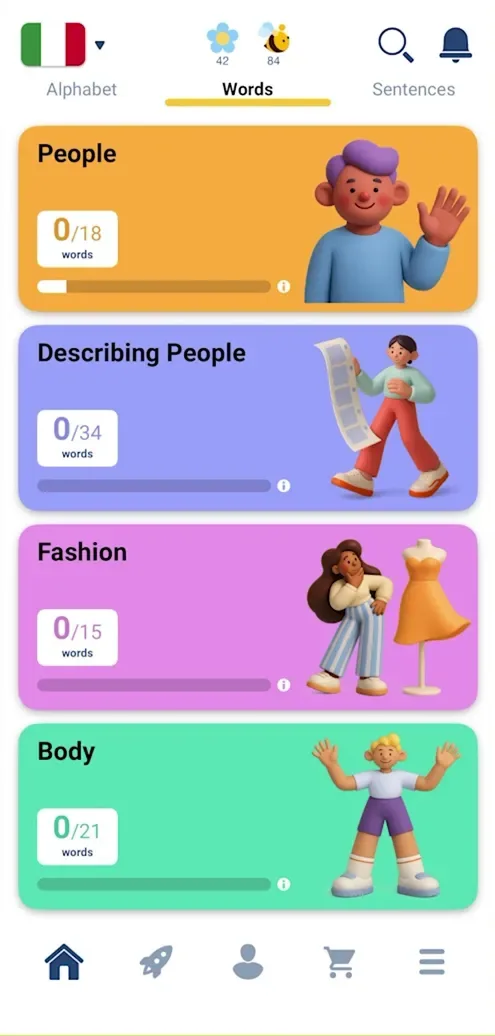
Bundan sonra başlangıç seviyesinde başlama veya seviye sınavına girme seçeneğim vardı. İçeri girdiğimde, her şeyin genel konuşma, insanları tanımlama, seyahat, yemek ve daha fazlası gibi kategorilere göre organize edildiği ana öğrenme ekranına ulaştım.
Arayüz temiz ve renklidir ve deneyimi yönlendiren bir arı maskotu vardır. Gezinme sezgiseldi ve işlerin nasıl yürüdüğünü anlamak için fazla zamana ihtiyacım olmadı.
Özellikler
FunEasyLearn'nin özü kelime dağarcığı ve kısa cümlelerdir. Tam sürüm, tümü konuya göre gruplandırılmış binlerce İtalyanca kelime ve ifadeyi içerir.
Her yeni kelime bir resim, yazılı form, normal ve daha yavaş hızlarda anadili konuşanların sesi, IPA fonetik transkripsiyonu ve kelimeyi kendim telaffuz etmeyi deneyebilmem için bir konuşma tanıma düğmesiyle birlikte geliyor.
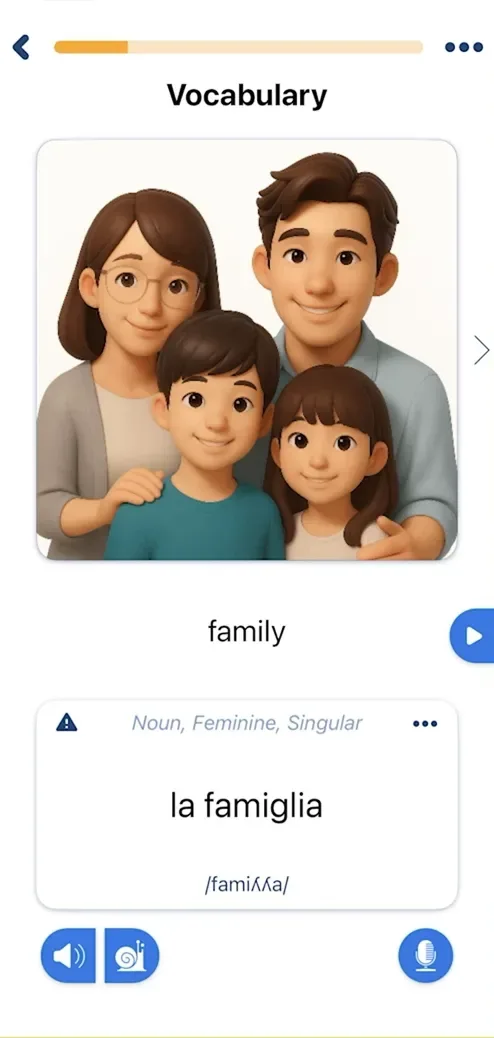
Konuşma özelliğine dokunduğumda sistemin söylediklerimi tanıyıp tanımadığını görebiliyordum. Geri bildirim anında verilir, ancak çoğunlukla doğru ya da yanlıştır ve ayrıntılı bir düzeltme yapılmaz.
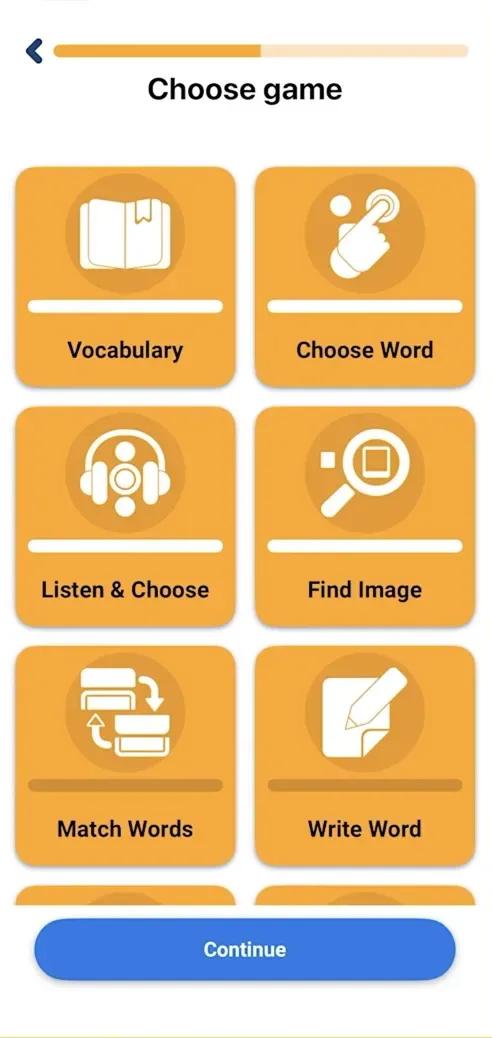
Bilgi kartlarını inceledikten sonra alıştırmalara geçtim. Bunlar arasında cümleleri eşleştirmek, tercüme etmek, dinlemek ve doğru cevabı seçmek, boşlukları doldurmak, kelime yazmak ve hatta cümlelerdeki hataları bulmak yer alıyor. Alıştırmalar kısa ve tekrarlıdır, bu da onları küçük çalışma oturumlarında tamamlamayı kolaylaştırır.
Fark ettiğim şeylerden biri, uygulamanın ağırlıklı olarak kelime dağarcığı ve cümle düzeyinde pratik yapmaya odaklanmasıdır. Dilbilgisi açıklamaları, daha uzun metinler veya gerçek konuşma pratiği açısından pek bir şey göremedim. Etkinliklerin çoğu açık uçlu konuşma yerine tanıma, tekrarlama ve çeviriye dayalıdır.
Telaffuz açısından, sesi daha yavaş bir hızda yeniden oynatabilmeyi takdir ettim. Bu, özellikle çift ünsüzlere veya sesli harflerin netliğine dikkat ederken İtalyanca için faydalıdır. Fonetik transkripsiyon da oradadır; IPA'ya aşina iseniz yararlı olabilir.
Oyunlaştırma deneyimin büyük bir parçasıdır. Dersleri tamamlayarak "çiçekler" kazandım ve mini oyunlara benzeyen günlük zorluklar var. Sizi meşgul etmek ve motive etmek için açıkça tasarlandı.
Premium sürümde ayrıca bir çevrimdışı mod, ilerleme takibi ve daha sonra incelenmek üzere kelimeleri favori olarak işaretleme yeteneği de bulunmaktadır.
Genel Düşünceler
İtalyanca için FunEasyLearn ile vakit geçirdikten sonra, bunun yapılandırılmış bir kelime dağarcığı oluşturucu olarak iyi çalıştığını söyleyebilirim. İtalyanca kelime bankamı hızlı bir şekilde genişletmek veya kısa, odaklanmış oturumlarda sık kullanılan ifadeleri gözden geçirmek istersem, bu uygulama bunu kolaylaştırıyor.
Telaffuz araçları, özellikle de yerel ses ve konuşma tanıma, kelime düzeyinde değer katar. Ancak spontane konuşma veya gerçek iletişim pratiği yapma fırsatı bulamadım. Alıştırmalar çoğunlukla kontrollü ve tekrarlıdır ve dilbilgisi açıklamaları minimum düzeydedir.
Yeni başlayanlar için net yapı ve oyunlaştırılmış format motive edici olabilir. Daha ileri seviyedeki öğrenciler için aktiviteler zamanla daha az zorlayıcı olmaya başlayabilir.
Genel olarak FunEasyLearn, kısa aralıklarla temel İtalyanca kelimeler ve ifadeler oluşturmak için kelime odaklı, oyunlaştırılmış bir araç gibi görünüyor.