

LuvLingua
LuvLingua Italian Review
Apr 11, 2026 · 18 features · 13 languages · iOS, Android
- LuvLingua scores 6.8/10; strongest area: User experience, weakest area: Course quality.
- Best suited for: Beginners who want to build basic Italian vocabulary with short, gamified lessons.
- Main upside: Easy to use and beginner-friendly; main tradeoff: Limited speaking practice.
Score
Course quality
65/100User experience
75/100Pricing
70/100
- Easy to use and intuitive Good for beginners Fun and engaging games Limited advanced content Repetitive over time
Pros
- Easy to use and beginner-friendly
- Fun games reinforce vocabulary
- Native audio for pronunciation
- Short lessons for quick practice
- Works offline in some cases
Cons
- Limited speaking practice
- Basic grammar explanations
- Repetitive learning format
- No real conversation practice
- Not ideal for advanced learners
At a glance
- Made by
- Silver Moon Apps
- Concept
- Gamified app to learn Italian through vocabulary, phrases, and quizzes.
- Platforms
- iOS, Android
- Levels
- (A1) Beginner, (A2) Elementary, (B1) Intermediate
- Languages taught
- Italian, Spanish, French, German, Korean, Japanese, Chinese, Arabic, Russian, Vietnamese, Thai, Turkish, Indonesian
- Best suited for
- Beginners who want to build basic Italian vocabulary with short, gamified lessons.
Pricing
- Monthly
- 5.00US$
- Yearly
- 30.00$
- Lifetime
- 50.00$
Free trial: Available; Credit card needed; 7 days
Refunds: Not available
Feature checks
Spaced repetition
70/100Customization
60/100Focus on learning
65/100Personalization
50/100Sentence accuracy
80/100Sentence relevance
75/100Variety and depth
60/100Audio quality
85/100Speaker's quality
60/100Speaking practice
40/100Ease of use
85/100Interface and design
75/100Performance
85/100Grammar notes
Learning path
Offline access
Speech recognition
User-generated courses
Conclusion
Use it daily for short sessions, focus on repetition, and combine it with speaking or immersion tools for better results.
Alternatives
SpeakTwice is the only app that gets your to speak Italian all the time. It comes with hundreds of grammar lessons and readings to listen and repeat, plus an AI tutor to review the courses and practice conversation. See the full review.
FAQ
Is LuvLingua good for learning Italian?
Can I learn to speak Italian with LuvLingua?
Is LuvLingua free?
Does LuvLingua work offline?
Is LuvLingua suitable for advanced learners?
Compare LuvLingua with other Italian learning apps
See the published side-by-side comparisons that include LuvLingua for Italian learners, or browse the full comparison hub.
Walkthrough
Intro
Today I’m reviewing LuvLingua Italian, a language learning app designed to help beginners build vocabulary, phrases, and basic grammar through games and interactive exercises.
If you’ve been searching for a simple mobile app to start learning Italian in short sessions throughout the day, this is probably one of the apps you’ve come across. I spent some time exploring it to see how it works specifically for Italian and what the experience actually feels like.
Setup
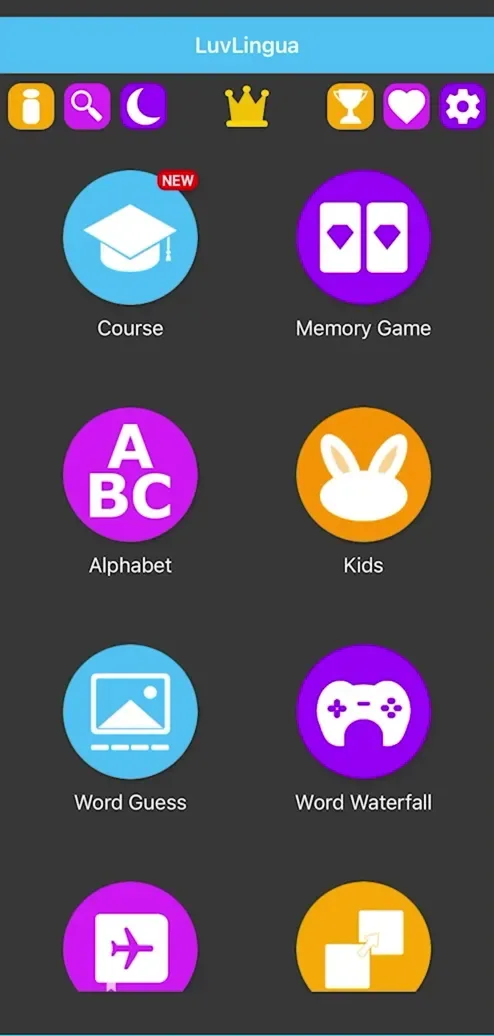
LuvLingua is a mobile app, so everything happens directly on your phone. When I opened the Italian version, I immediately saw that it’s structured around beginner and intermediate levels.
The idea is simple: you move through lessons that introduce vocabulary, expressions, grammar basics, and practical categories like food, travel, places, and everyday phrases. It’s clearly designed for people who want to build a foundation in Italian step by step.
How It Works
The learning format is very interactive. Instead of long explanations, I found short lessons followed by games and quizzes. For example, I was matching Italian words with pictures, listening to audio and selecting the correct answer, and filling in missing words.
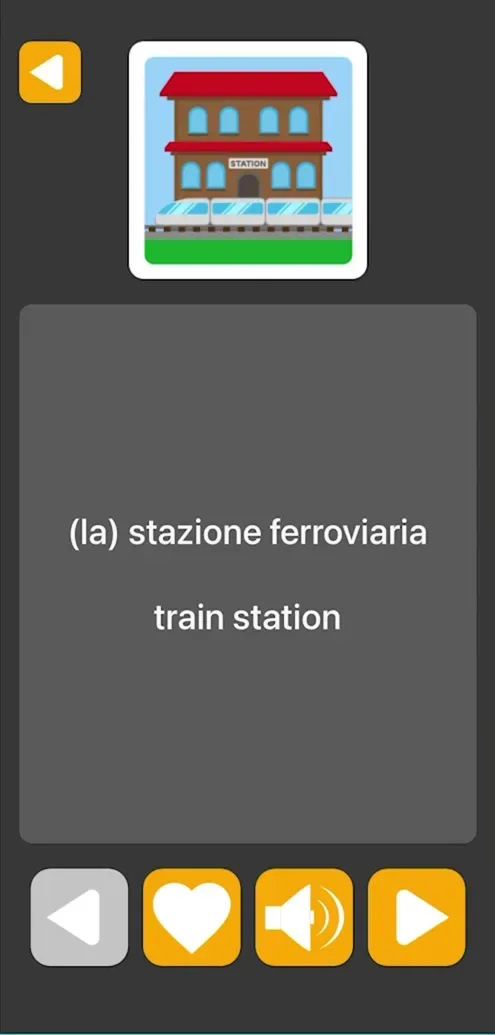
There’s also a phrasebook section, where vocabulary is organized into useful categories. I could tap on words to hear native pronunciation, which is helpful when you’re just starting and trying to get used to Italian sounds.
Another section focuses on grammar tips and simple explanations. It doesn’t go very deep, but it introduces basic structures so you’re not just memorizing isolated words.
One thing I noticed is that the app caters to different learning styles. There are visual exercises, listening exercises, and reading or writing-based activities. So depending on how you prefer to study, you’ll probably find something that works for you.
What I Noticed
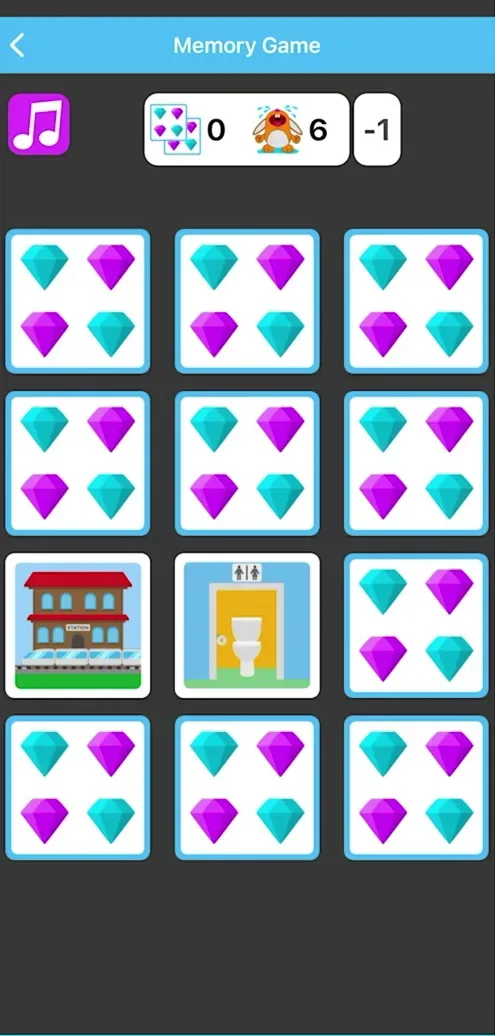
The overall experience feels very straightforward. The interface is simple, and it’s easy to follow. I didn’t feel overwhelmed when I opened it, which can be a good thing if you’re just starting Italian.
It also works well for short sessions. I could complete a small activity in just a few minutes, which makes it practical if you’re learning on the go.
In terms of content depth, it feels mostly focused on beginner to lower-intermediate levels. I didn’t see advanced conversation practice or deeper cultural immersion features. It seems more centered around vocabulary building, repetition, and recognition.
Pros
One thing I liked is that it uses repetition through games. That makes memorizing vocabulary feel lighter compared to traditional textbook-style learning.
The native audio is also useful. Being able to tap and listen repeatedly helps with pronunciation and listening comprehension at the early stages.
And since it’s organized into clear categories, it’s easy to focus on specific topics like greetings or travel phrases.
Limitations
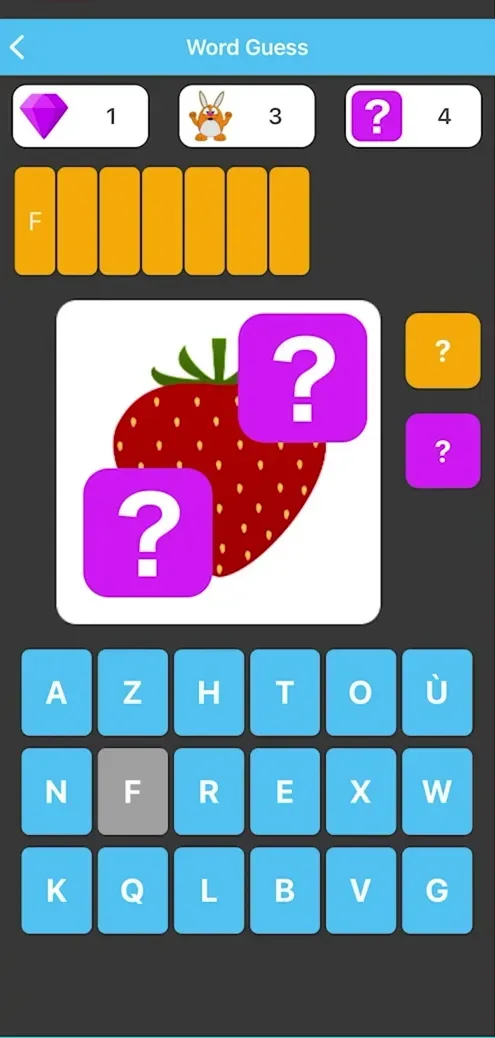
At the same time, it feels mostly self-paced and independent. I didn’t see interactive speaking feedback or live conversation features.
The grammar explanations are fairly basic, so if you’re looking for deeper understanding or more immersive Italian practice, you might eventually feel limited.
It also follows a fairly traditional vocabulary-and-quiz model, so if you prefer learning through longer dialogues or real-life storytelling, that may not be the core focus here.
Closing Transition
Overall, LuvLingua Italian seems to be a simple and accessible option for beginners who want to start building vocabulary and basic structures in a gamified way.