
Mango Languages
Mango Languages-review voor Italiaans leren
30 mrt 2026 · 18 features · 10 languages · Web, iOS, Android
- Mango Languages scoort 7.2/10; sterkste onderdeel: Gebruikerservaring, zwakste onderdeel: Cursuskwaliteit.
- Het meest geschikt voor: Beginners die Italiaans leren en gestructureerde, op conversaties gebaseerde oefeningen willen
- Belangrijkste pluspunt: Sterke focus op real-life gesprekken; belangrijkste beperking: Beperkte inhoud boven gemiddeld niveau.
Score
Cursuskwaliteit
70/100Gebruikerservaring
80/100Prijs
75/100
- Gemakkelijk te gebruiken en intuïtief Goed voor beginners De lessen voelen repetitief aan Ontbreekt aan geavanceerde inhoud De audiokwaliteit is uitstekend
Pluspunten
- Sterke focus op real-life gesprekken
- Hoogwaardige native speaker-audio
- Handige kleurcodering voor zinsstructuur
- Culturele en grammaticale aantekeningen inbegrepen
- Schone en afleidingsvrije interface
Nadelen
- Beperkte inhoud boven gemiddeld niveau
- Herhaalde lesstructuur
- Minimale grammaticaoefening
- Geen echte spraakherkenningsfeedback
- De diepte van de inhoud varieert per taal
In één oogopslag
- Gemaakt door
- Mango Languages Inc.
- Concept
- Op conversaties gebaseerd leren van talen door middel van gestructureerde dialogen en culturele inzichten.
- Platformen
- Web, iOS, Android
- Niveaus
- (A1) Beginner, (A2) Elementair, (B1) Halfgevorderd
- Onderwezen talen
- Italiaans, Spaans, Frans, Duits, Portugees, Russisch, Arabisch, Chinees, Japans, Koreaans
- Meest geschikt voor
- Beginners die Italiaans leren en gestructureerde, op conversaties gebaseerde oefeningen willen
Prijzen
- Maandelijks
- 12.00US$
- Jaarlijks
- 100.00$
Gratis proefperiode: Beschikbaar; Creditcard nodig; 14 dagen
Terugbetalingen: Niet beschikbaar
Functiecontroles
Gespreide herhaling
70/100Aanpassing
60/100Focus op leren
85/100Personalisatie
60/100Zinsnauwkeurigheid
90/100Relevantie van zinnen
85/100Variatie en diepgang
65/100Audiokwaliteit
95/100Kwaliteit van de spreker
65/100Spreekoefening
70/100Gebruiksgemak
90/100Interface en ontwerp
85/100Prestaties
90/100Grammatica-uitleg
Leerpad
Offline toegang
Spraakherkenning
Door gebruikers gemaakte cursussen
Conclusie
Volg de lessen op volgorde, concentreer je op spreekoefeningen en combineer dit met extra grammatica- en gespreksoefeningen buiten de app.
Alternatieven
SpeakTwice is de enige app waarmee je altijd Italiaans kunt spreken. Het wordt geleverd met honderden grammaticalessen en lezingen om te luisteren en te herhalen, plus een AI-docent om de cursussen te beoordelen en gesprekken te oefenen. Bekijk de volledige recensie.
Veelgestelde vragen
Is Mango Languages goed voor beginners?
Leert Mango Languages grammatica?
Kan ik vloeiend Italiaans leren met Mango?
Is Mango Languages gratis?
Heeft Mango Languages spreekoefeningen?
Vergelijk Mango Languages met andere apps om Italiaans te leren
Bekijk de gepubliceerde vergelijkingen met Mango Languages voor Italiaansleerders, of blader door de volledige vergelijkingshub.
Walkthrough
Introductie
Hallo allemaal! In de video van vandaag bespreek ik Mango Languages, een app die belooft je te helpen op natuurlijke wijze Italiaans te spreken door middel van gesprekken uit het echte leven en culturele inzichten. Ik heb Mango al een tijdje gebruikt om Italiaans te leren, dus ik zal je laten zien hoe het werkt, wat ik leuk vond, wat beter zou kunnen, en voor wie het eigenlijk bedoeld is.
Wat het is
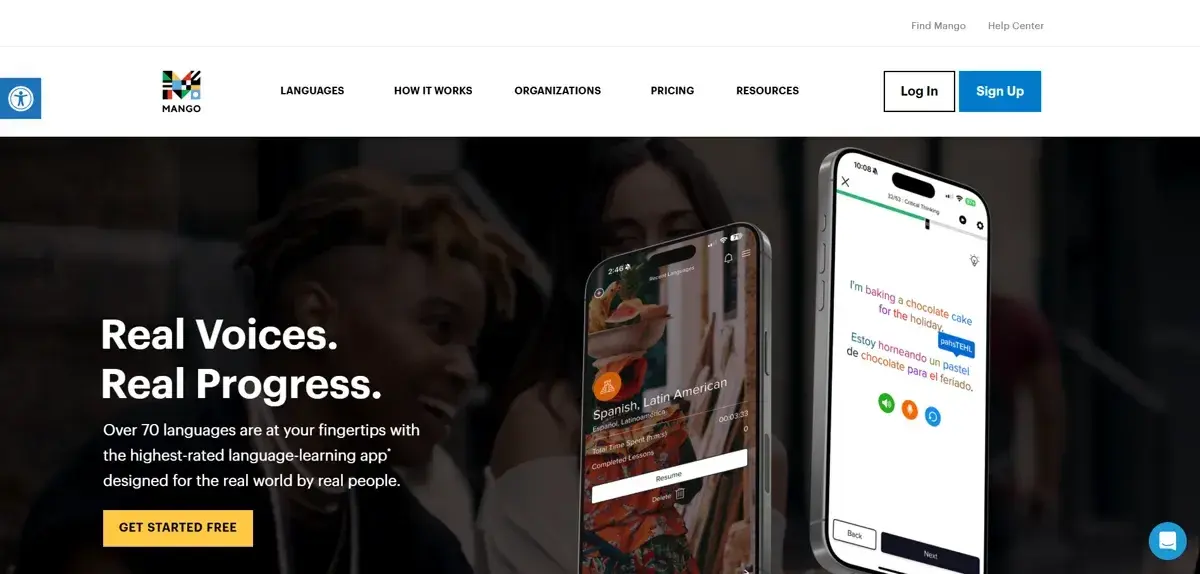
Mango Languages is dus een online platform en een mobiele app waar je meer dan 70 -talen kunt leren, inclusief natuurlijk Italiaans. Het is vaak gratis beschikbaar via openbare bibliotheken, maar u kunt zich ook rechtstreeks abonneren voor ongeveer 12 dollars per maand voor één taal of 20 dollars voor alle talen. De interface is erg schoon, gemakkelijk te gebruiken en voelt professioneler aan dan sommige van de overdreven gamified apps die er zijn.
Hoe het werkt
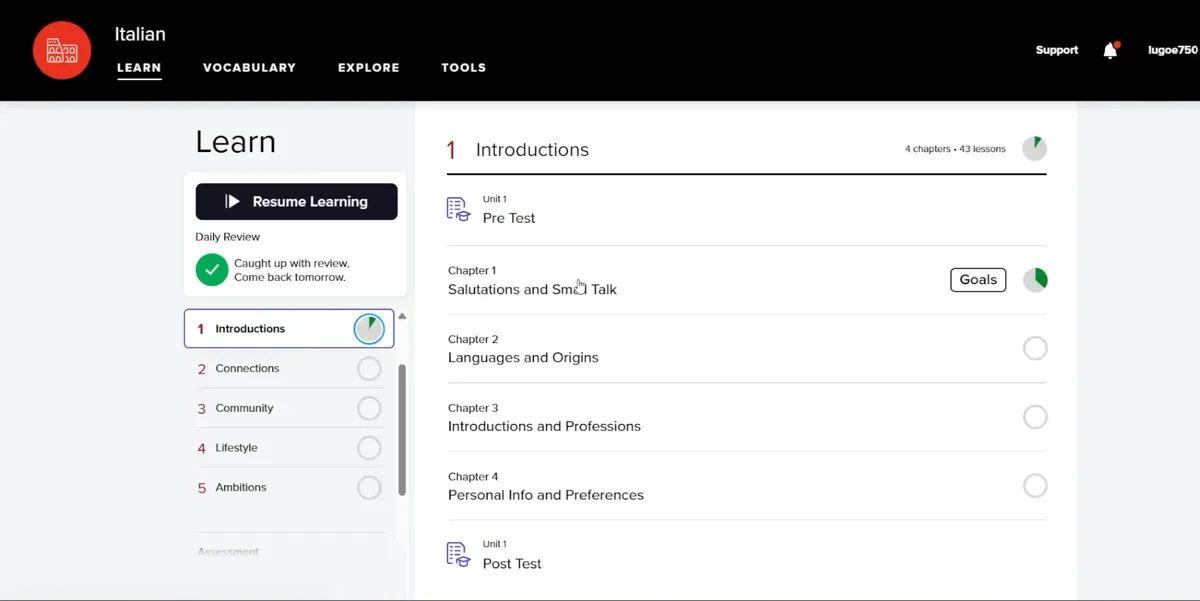
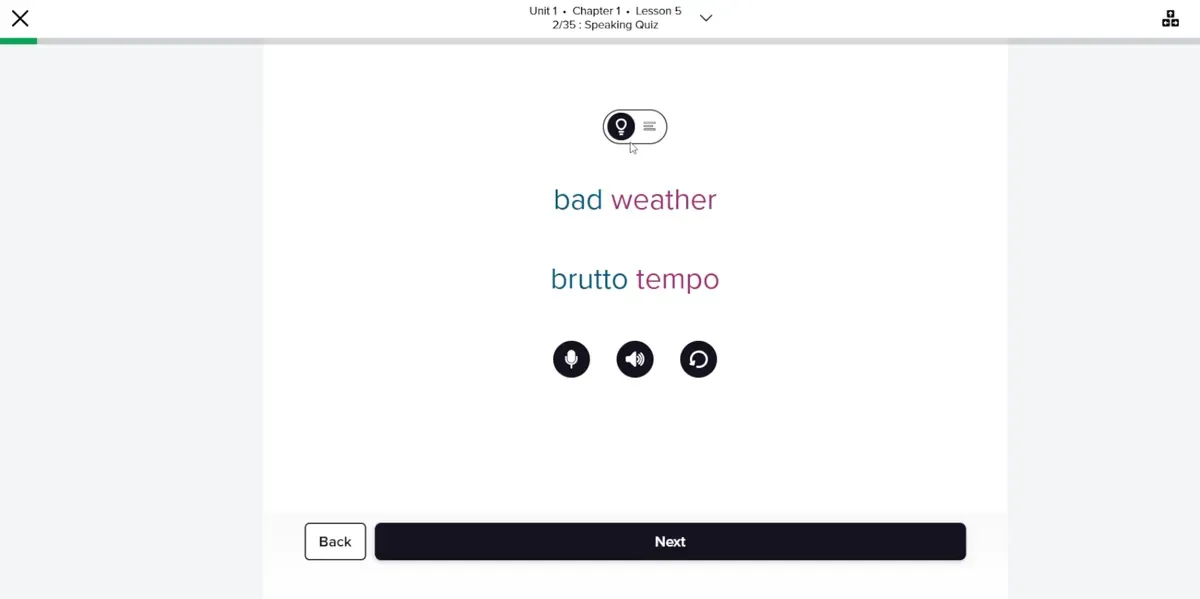
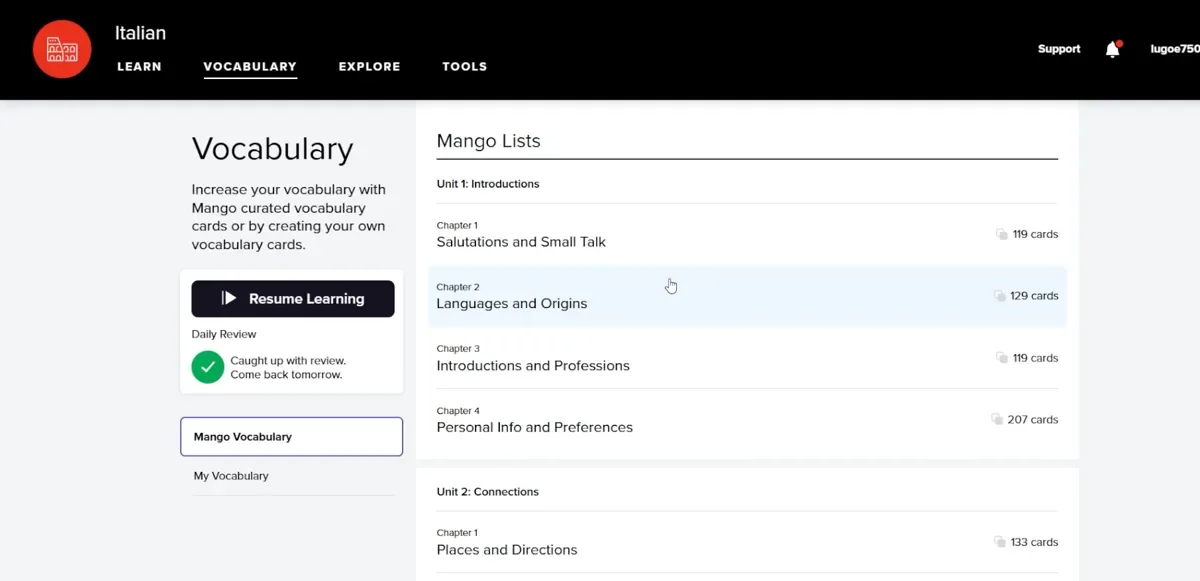
Elke cursus Italiaans is onderverdeeld in eenheden, hoofdstukken en lessen. De lessen zijn opgebouwd rond korte gesprekken, bijvoorbeeld begroetingen in een café, een nieuwe ontmoeting of het vragen van de weg in Rome. Elke les begint met een snelle dialoog tussen moedertaalsprekers en wordt vervolgens stap voor stap afgebroken. Ik kon naar elke zin luisteren, zowel de Italiaanse als de Engelse vertaling zien, en zelfs schakelen tussen een letterlijke vertaling en een natuurlijke vertaling. Dat is eigenlijk een van mijn favoriete functies: het helpt je de echte structuur van Italiaanse zinnen te begrijpen. Er is ook kleurcodering: woorden in het Italiaans worden gemarkeerd zodat ze overeenkomen met hun Engelse equivalenten. Het is een kleinigheid, maar het helpt echt als je probeert te wennen aan de Italiaanse woordvolgorde.
Uitspraak- en spreekhulpmiddelen
Voor de uitspraak kunt u met Mango uw stem opnemen en uw golfvorm vergelijken met die van een moedertaalspreker. Het is geen automatische stemherkenning zoals in Babbel of Rosetta Stone, maar het is nog steeds handig om te horen hoe dichtbij je klinkt. Ik vond het ook leuk dat je over woorden kunt bewegen om de fonetische spelling te zien, wat geweldig is als je nog aan het uitzoeken bent hoe Italiaanse klinkers eigenlijk klinken.
Leerervaring
De app leidt je door elke les met aanwijzingen als "Hoe zeg je...?" of "Laten we dit nog eens proberen...", zodat het interactief aanvoelt, hoewel het constante verhaal na een tijdje een beetje repetitief kan worden. Gelukkig kun je de verteller uitschakelen in de instellingen. Culturele en grammaticale aantekeningen zijn overal verspreid, wat ik erg nuttig vond. Er wordt bijvoorbeeld uitgelegd wanneer je tu versus Lei moet gebruiken – het informele en formele ‘jij’ in het Italiaans – of het geeft weinig culturele inzichten over begroetingen en gebruiken. Ik denk dat dat een van de sterke punten van Mango is: het verbindt het leren van talen met cultuur zonder je te overweldigen met lange uitleg.
Voordelen
Wat ik erg leuk vind aan de Mango Languages, is hoe benaderbaar het voelt. Het is perfect voor beginners die meteen willen beginnen met spreken zonder zich verloren te voelen in de grammaticaregels. De audiokwaliteit is uitstekend – moedertaalsprekers klinken helder en natuurlijk – en de combinatie van kleurcodering en letterlijke vertalingen helpt echt om de Italiaanse zinsstructuur te begrijpen. Ik waardeerde ook de strakke, minimale interface die ervoor zorgt dat je gefocust blijft op leren in plaats van op het najagen van punten of strepen.
Nadelen
Dat gezegd hebbende, Mango is niet perfect. Als je de basis eenmaal onder de knie hebt, zul je waarschijnlijk merken dat het niet veel verder gaat dan het gemiddelde niveau, dus meer gevorderde leerlingen vinden het misschien een beetje oppervlakkig. De lessen kunnen ook een repetitief gevoel krijgen, omdat het formaat niet echt verandert van het ene hoofdstuk naar het andere, en hoewel de uitspraakhulpmiddelen nuttig zijn, is er geen echte gesproken feedback; je moet op je eigen oordeel vertrouwen. Er ontbreken ook diepere grammaticale uitleg en schrijfoefeningen, dus het kan zijn dat je je studie moet aanvullen met ander materiaal naarmate je vordert.
Conclusie
Over het algemeen zou ik zeggen dat Mango Languages een solide keuze is als je net met Italiaans begint en iets gestructureerd maar eenvoudig wilt. Het is vooral goed als uw plaatselijke bibliotheek het gratis aanbiedt. Maar als je op zoek bent naar iets meeslepender of geavanceerder... dan is er nog een tool die ik je zou aanraden te proberen: een tool die je helpt echt op een diepere manier in contact te komen met de Italiaanse taal en cultuur.