
Qlango
Обзор Qlango для изучения итальянского
4 апр. 2026 г. · 18 features · 32 languages · iOS, Андроид, Интернет
- Qlango получает 6.2/10; сильная сторона: Цены, слабая сторона: Качество курса.
- Лучше всего подходит для: Начинающие, которым нужен базовый словарный запас, или начинающие изучающие итальянский язык.
- Главный плюс: Короткие, быстрые уроки; главный компромисс: Никаких грамматических объяснений.
Оценка
Качество курса
55/100Пользовательский опыт
65/100Цены
70/100
- Простота в использовании Подходит для начинающих Слишком однообразно Недостаточно объяснений грамматики Ограниченный расширенный контент
Плюсы
- Короткие, быстрые уроки
- Широкий выбор языка
- Гибкий темп обучения
- Несколько типов упражнений
- Поддержка языковых пар
Минусы
- Никаких грамматических объяснений
- Ограниченная разговорная практика
- В основном контент для начинающих
- Повторяющиеся упражнения
- Слабый культурный контекст
Кратко
- Сделано
- Qlango d.o.o.
- Концепция
- Изучение языка на основе словарного запаса посредством викторин и повторения.
- Платформы
- iOS, Андроид, Интернет
- Уровни
- (A1) Новичок, (A2) Элементарный, (B1) Средний уровень
- Преподаваемые языки
- итальянский, испанский, французский, немецкий, португальский, голландский, Шведский, Норвежский, датский, финский, Польский, Чешский, Словацкий, Венгерский, румынский, Болгарский, хорватский, сербский, словенский, Эстонский, Литовский, латышский, Греческий, турецкий, русский, Украинский, белорусский, Албанский, исландский, Филиппинский, индонезийский, Эсперанто
- Лучше всего подходит для
- Начинающие, которым нужен базовый словарный запас, или начинающие изучающие итальянский язык.
Цены
- Ежемесячно
- 5.99US$
- Ежегодно
- 59.99$
- Продолжительность жизни
- 119.99$
Бесплатная пробная версия: Доступен; Требуется кредитная карта; 7 дней
Возвраты: Доступен; 14 дней
Проверка функций
Оффлайн доступ
Грамматические примечания
Путь обучения
Распознавание речи
Курсы, созданные пользователями
Интервальное повторение
Оценка: 75/100. Предлагает ли приложение большое количество повторений для естественного усвоения словарного запаса и грамматики?
Кастомизация
Оценка: 70/100. Могут ли пользователи настраивать параметры, интерфейс, контент и т. д.?
Сосредоточьтесь на обучении
Оценка: 65/100. Сосредоточены ли интерфейс и контент на содержании курса, а не на болтовне и геймификации?
Персонализация
Оценка: 50/100. Материалы автоматически адаптируются к профилю пользователя?
Точность предложения
Оценка: 70/100. В предложениях нет опечаток и грамматических ошибок? Звучат ли они естественно?
Релевантность предложения
Оценка: 65/100. Являются ли предложения реалистичными и полезными?
Разнообразие и глубина
Оценка: 55/100. Достаточно ли разнообразия материалов по темам, форматам и уровням?
Качество звука
Оценка: 60/100. Легко ли слушать аудиоматериалы с точки зрения качества записи и скорости речи?
Качество динамика
Оценка: 55/100. Говорит ли говорящий правильно, четко и естественно?
Разговорная практика
Оценка: 30/100. Предлагает ли приложение много разговорной практики?
Простота использования
Оценка: 80/100. Легко ли настроить, использовать и перемещаться по приложению?
Интерфейс и дизайн
Оценка: 60/100. Является ли пользовательский интерфейс аккуратным и визуально привлекательным?
Производительность
Оценка: 65/100. Приложение загружается быстро? Нет ли в нем сбоев и сбоев?
Заключение
Используйте его для ежедневной практики словарного запаса и объедините с платформой, ориентированной на разговорную речь и грамматику.
Альтернативы
SpeakTwice — единственное приложение, которое позволит вам постоянно говорить по-итальянски. Он включает в себя сотни уроков грамматики и материалов для чтения, которые можно слушать и повторять, а также репетитора по искусственному интеллекту, который просматривает курсы и практикует разговорную речь. Смотрите полный обзор.
Часто задаваемые вопросы
Подходит ли Qlango для изучения итальянского языка?
Могу ли я свободно говорить с Qlango?
Qlango учит грамматике?
Qlango бесплатен?
Подходит ли Qlango для новичков?
Сравните Qlango с другими приложениями для изучения итальянского
Посмотрите опубликованные сравнения с Qlango для изучающих итальянский или откройте весь раздел сравнений.
Обзор
Введение
Всем привет! Сегодня я рассматриваю Qlango, приложение для изучения языков, которое существует уже несколько лет и имеет репутацию простого, игрового и удобного для новичков. Я потратил некоторое время на тестирование курса итальянского языка на Qlango, поэтому, если вы задаетесь вопросом, является ли это приложение хорошим вариантом для изучения итальянского языка, вы попали по адресу.
Итак, позвольте мне рассказать вам, как работает приложение, что мне особенно понравилось и что, по моему мнению, можно улучшить, особенно если ваша цель — заложить прочную основу в итальянском языке.
Что такое Qlango
Qlango — это, по сути, языковое приложение, основанное на словарном запасе, с короткими уроками. Он охватывает десятки языков, в том числе некоторые очень редкие, и большая часть его системы обучения вращается вокруг викторин, повторений и распознавания фраз. Платформа была создана в основном для новичков и для людей, которые хотят усвоить необходимые слова или короткие фразы, не тратя на длительные занятия.
Как Qlango работает для итальянского языка
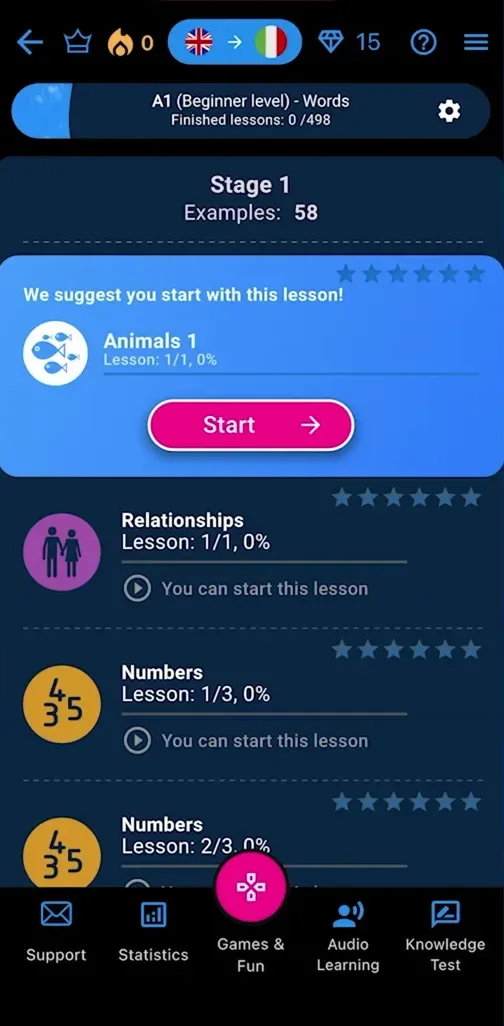
Когда я начал курс итальянского языка, меня сразу же перевели на панель управления — там нет вступительного теста и нет вопроса «Почему ты учишься?» настраивать. Приложение делит словарный запас на тематические этапы, и я могу переходить между уровнями в зависимости от того, что хочу выучить. Каждый урок очень короткий, обычно состоит из нескольких вопросов в сочетании со звуком, поэтому я смог пройти урок всего за несколько минут.
Упражнения варьируются от вопросов с несколькими вариантами ответов, диктовки, написания ответов, сопоставления пар или построения коротких фраз. Я обнаружил, что переключение между этими режимами поначалу не дает ощущениям слишком повторяющимся.
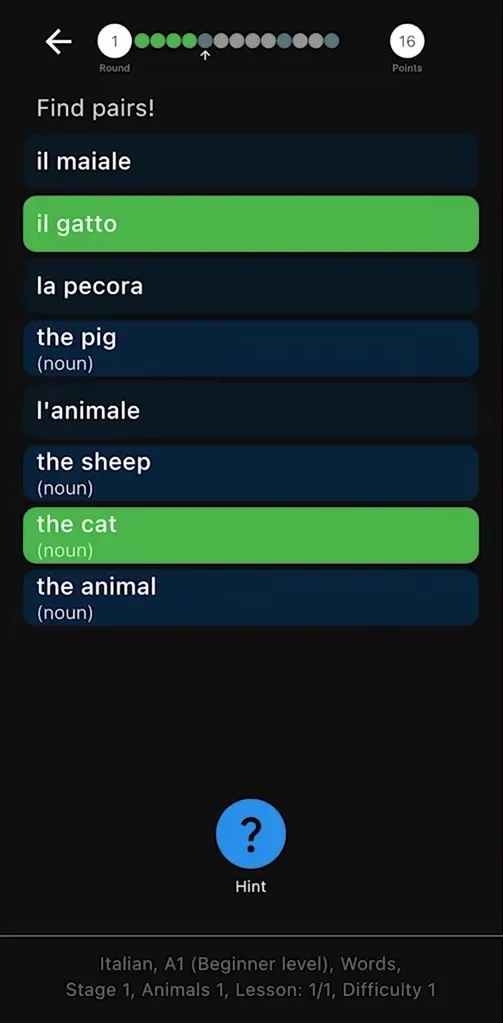
Что мне очень понравилось, так это то, что Qlango позволяет вам отвечать только на итальянском языке. Нет необходимости переключаться между языками, что сразу же подталкивает вас к облегченной версии погружения.
Также есть система серий, арахиса (их внутренняя награда), короткие игры, такие как Minute Rush, и еженедельные достижения. Ничего слишком кричащего, но достаточно, чтобы сохранить впечатление.
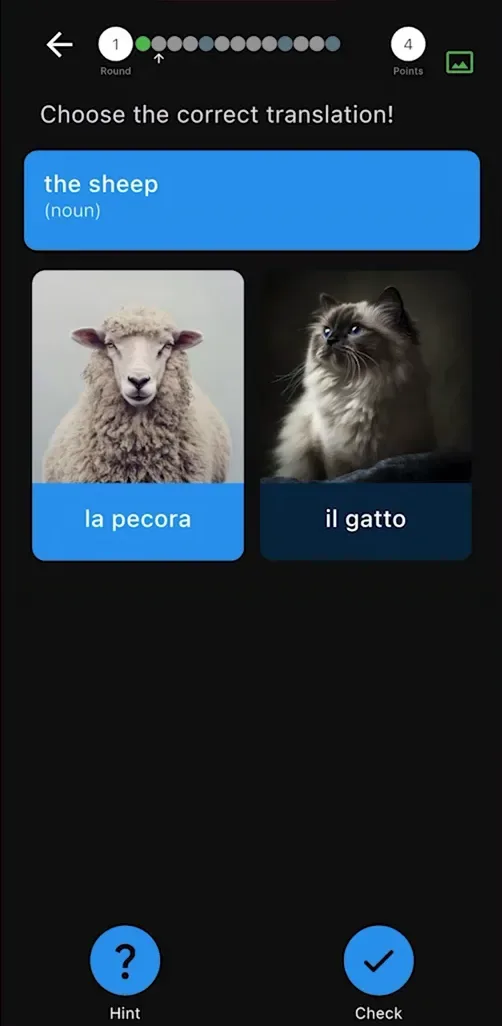
Что мне понравилось при тестировании итальянского языка
Одной из моих любимых вещей была продолжительность урока. Этот формат действительно работает в те моменты, когда у вас есть всего несколько минут на учебу. Я мог выучить несколько новых итальянских слов или освежить старые, стоя в очереди или во время короткого перерыва.
Мне также понравилась гибкость языковых пар. Я попробовал немного выучить итальянский с испанского, и переходы прошли гладко. Это продуманная функция, которую до сих пор не предлагают многие приложения.
Приложение также дает легкие подсказки, когда я не запомнил ни слова, и мне понравилось, что мне не сразу дали ответ. Стало легче оставаться сосредоточенным, не чувствуя разочарования.
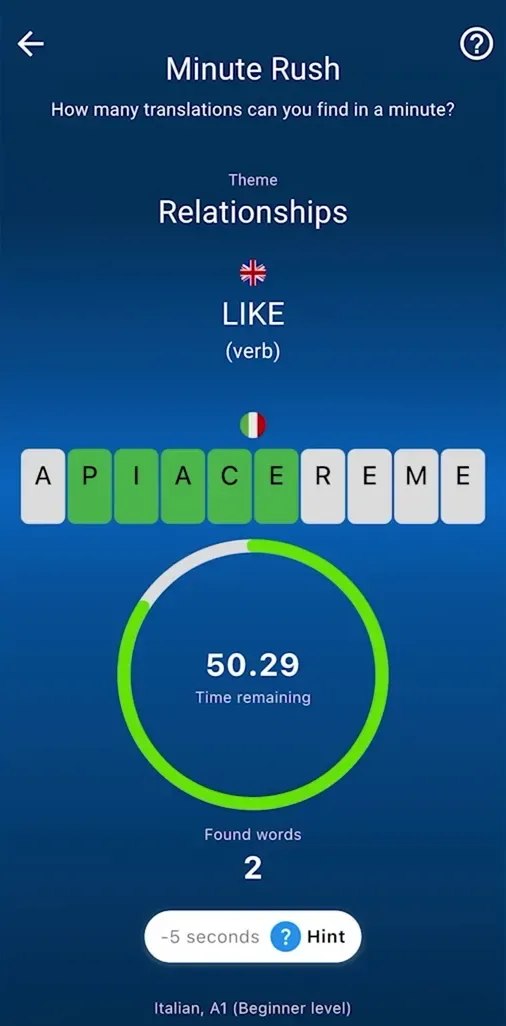
Где Qlango чувствует себя ограниченным
Теперь, тестируя итальянский более глубоко, я также заметил некоторые ограничения.
Самое главное, что Qlango — это всего лишь словарное приложение. За фразами не так много грамматики, структуры или объяснений. После нескольких занятий я мог узнавать множество отдельных слов, но не чувствовал, что учусь использовать их в разговоре.
Другое дело, что контент заканчивается довольно рано. Многие языки, включая итальянский, в основном остаются на начальном уровне. Вы можете выучить базовые фразы и базовый словарный запас, но если ваша цель — выйти за рамки А1 или А2, вы в конечном итоге упретесь в стену.
Я также заметил, что изображения в уроках выглядят как обычные изображения, созданные искусственным интеллектом, и иногда они не добавляют контекста, что может быть упущенной возможностью, особенно для такого языка, как итальянский, где культурные нюансы так важны.
В зависимости от устройства некоторые пользователи сообщали о периодических сбоях или устаревшем интерфейсе. Сам я не испытал ничего серьезного, но дизайн кажется немного старше по сравнению с другими современными приложениями.
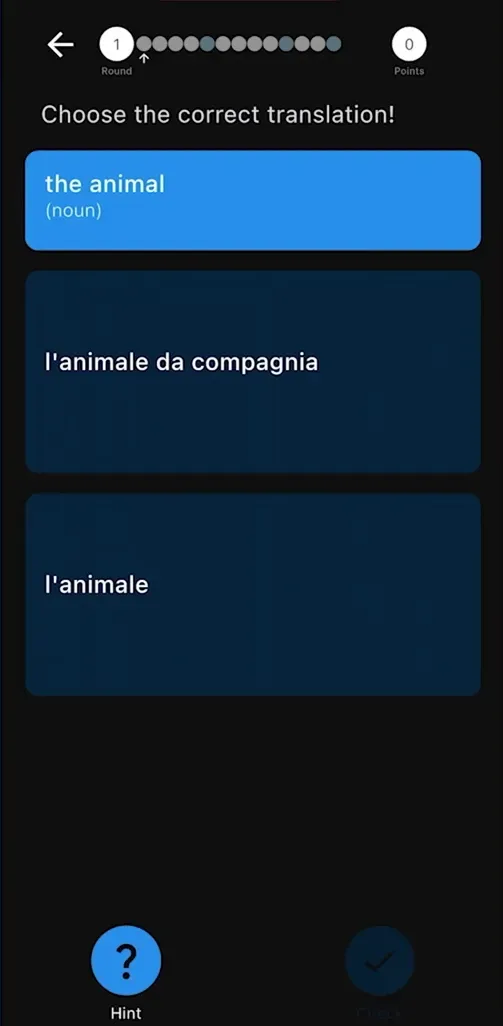
Для кого, по моему мнению, Qlango лучше всего подходит
После использования Qlango для итальянского языка мне кажется, что он лучше всего подходит для:
-
Полные новички, начинающие с нуля
-
Люди, которые в основном хотят выучить слова и фразы
-
Занятые ученики, предпочитающие очень короткие занятия
-
Случайные учащиеся готовятся к поездке
-
Или кому-то любопытно, но еще не готов полностью принять на себя обязательства.
Если вы хотите освоить разговорный итальянский язык, понимать грамматику или выйти за рамки начального уровня, вам, вероятно, потребуется объединить Qlango с другим учебным ресурсом.
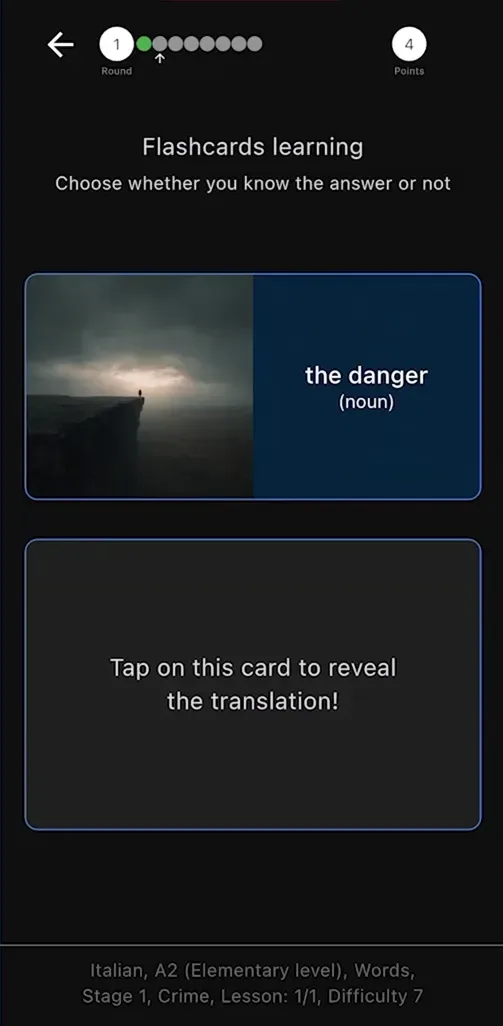
Заключительные мысли
В целом, Qlango легок, прост и удобен в использовании. Мне понравилось, как быстро проходят уроки, и я понимаю, как они помогут вам без стресса освоить итальянскую лексику. Но поскольку он ориентирован на запоминание и не предлагает особой структуры, я бы не стал полагаться только на него, если вы стремитесь к реальному пониманию или долгосрочному прогрессу в итальянском языке.